What to wear on an Abisko sled day
The tours hand you the heavy outer gear, so your suitcase only needs what goes underneath. The hard part is the mix of a warm bus and a cold sled where you hardly move. This page lists nine layers, then a few tricks for cold fingers and toes, plus food and the evening hike.
What the tours lend you
Both sled tours by Lights Over Lapland include warm overalls, winter boots, hats and gloves. That goes for the excursion with fika and for the tour with lunch.
The listings don't say where the gear is handed out, most likely at the camp near Kiruna after the drive. Either way, what you wear at the 9:45 am pickup is also what sits under the overalls.
The listing of the tour with lunch asks guests to bring thermal clothing and a camera. The other sled tour says less, but the same cold waits at the end of the same road.
Why sitting still feels colder
On both tours you ride as a passenger while a musher, the person who drives the dog team, does the work. Your body makes little heat while you sit, and up to four guests share one sled.
Add the speed of the team and the air feels colder than the thermometer says. A typical January day in Abisko runs from about -15 °C (5 °F) at night to -6 °C (21 °F) at its warmest.
Then there is the bus. About 4 of the 7 hours pass on the road in a heated vehicle, so you dress for two climates and take layers off and on.
The nine layers we would wear
Count from the skin outward. The borrowed overalls go over the top, so choose pieces that fit underneath without squeezing you or pinching at the knees when you sit.
- A long-sleeved base top in merino wool or synthetic fabric, never cotton
- Long base leggings in the same kind of fabric
- A fleece or light wool sweater as the middle layer
- Thin fleece trousers if you feel the cold easily
- A light down or synthetic jacket slim enough to fit under the overalls
- Thin liner gloves to wear inside the gloves the tour lends
- One pair of thick socks of wool, with a dry spare in your bag
- A neck gaiter that can cover your nose and chin on the ride
- Ski goggles or sunglasses against snow glare and the wind of the sled
The hat comes from the tour, but a thin beanie of your own adds warmth and stays on during the drive. Small hand warmers weigh almost nothing and help on the ride back.
Hands and feet go first
Fingers and toes cool fastest when you sit still. One pair of thick socks works better than two thin pairs that squeeze your toes inside the lent boots and slow the blood.
Taking photos means taking gloves off. Liner gloves let you use a phone for a minute, and a phone kept in an inside pocket loses less charge in the cold.
Halfway through comes a fire and a hot drink. On the excursion it is a fika, the Swedish pause with something sweet, and on the lunch tour it happens in a lavvu, a Sami tent. Warm your hands there before the second half.
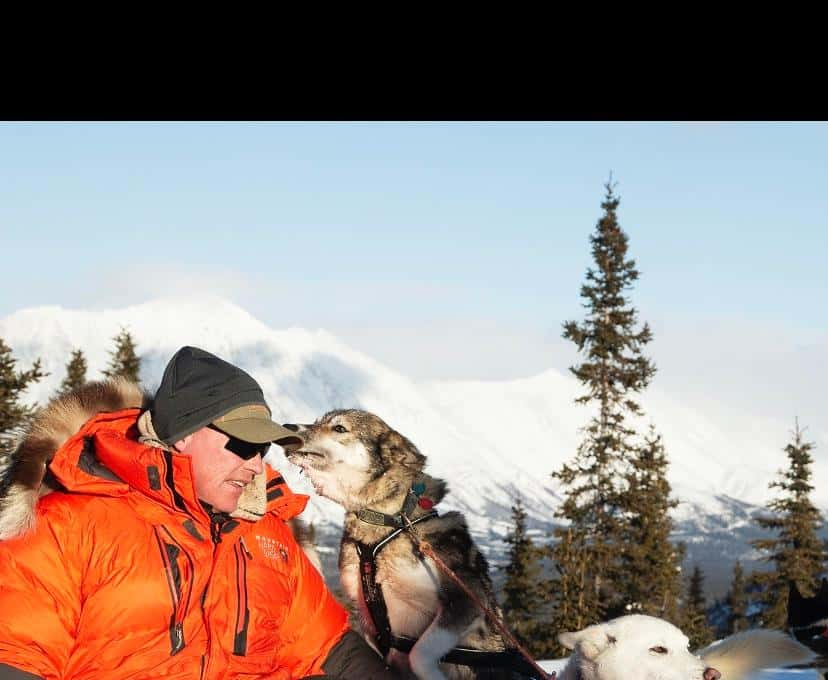
A sled day with a hot lunch after the ride
Lights Over Lapland, 7 hours from 9:45 am, at least two participants. The same outer gear is lent and lunch is served in a teepee, though the tour is new with no reviews yet.
Food is part of staying warm
A body burns fuel to stay warm. The excursion with fika includes no lunch and none is sold at the camp, so eat breakfast and pack a lunch with snacks, as the listing asks.
The tour with lunch feeds you once the sledding is done, in a teepee, with a vegetarian plate if you ask. It costs ~$312 per adult against ~$244 for the excursion, and our page on what a sled day costs weighs the two.
Dressing for the evening hike
The AbiskoHikes walk runs from 7:00 pm, about 4 km (2.5 miles) there and back with a gradual uphill. Walking makes heat, so you sweat on the way up and cool off at the fire.
The hike lends its own outer gear and a headlamp, but the listing leaves base layers out. A top that dries fast matters more there, and our page on the husky hike in Abisko covers the rest of that evening.
What to leave at the hotel
Jeans and cotton hoodies hold moisture and turn cold once you stop moving. Skip them, along with a bulky parka of your own, which rarely fits under the overalls and takes up room on the bus.
A small backpack holds the spare socks and the lunch box, with room for a phone battery. Children need the same layers in small sizes, as our page on sledding with children explains.
Matching the clothes to the month
Dress for the coldest version of the day in January and February, when highs sit near -6 °C (21 °F). In March the air softens to about -2 °C (28 °F), and the fleece trousers may stay in the bag.
Our page on the best months for a sled day sets out the light and the snow. For time on the runners, see how long the ride lasts.
When the bag is packed, the Abisko dog sledding comparison puts every option in one place. Our list of sled tours with Abisko pickup shows both days, and the tips for dog sledding from Abisko fill in the rest.